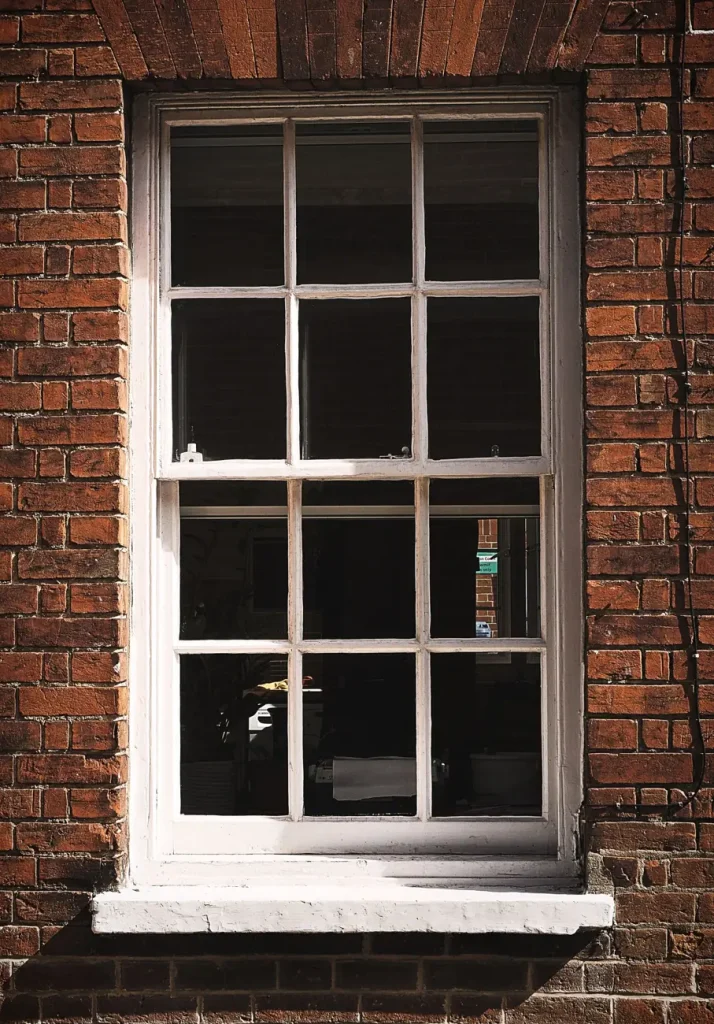
Original sash windows are one of the best-loved features of Georgian, Victorian and Edwardian homes, and also one of the main sources of draughts, heat loss and street noise. Secondary glazing for sash windows lets you keep the original sashes exactly as they are and add a slim, made-to-measure inner window behind them. You get warmer, quieter rooms without losing the character of the house.
How secondary glazing works with a sash window
Secondary glazing is a completely independent window fitted on the room side of your existing sash, usually within the window reveal. It does not replace or alter the sash itself, so the box frame, weights, glass and glazing bars all stay as they are. The secondary unit adds a second layer of glass and a sealed-in air gap between the two windows. Together these reduce heat loss and draughts and help to block outside noise.
Which type of secondary glazing suits sash windows?
Vertical sliding secondary glazing
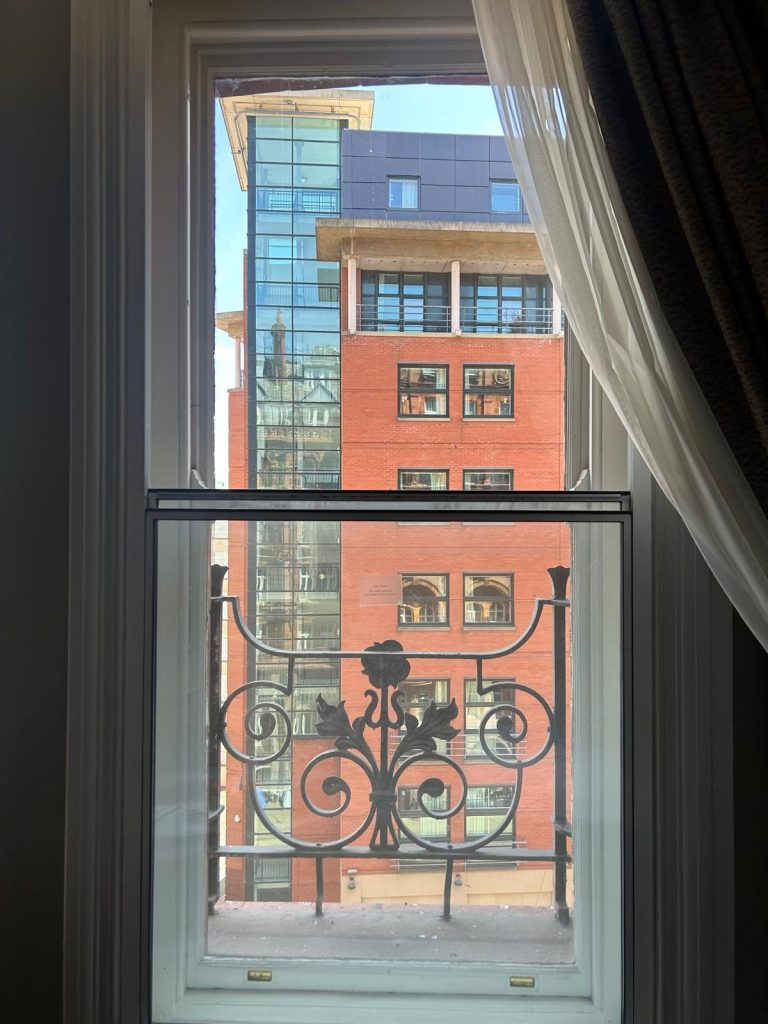
For most sash windows, vertical sliding secondary glazing is the natural choice. The panes slide up and down like the sash behind, and the meeting rail of the secondary unit can be lined up with the meeting rail of the original window. From the street and from inside the room, the secondary glazing then follows the lines of the existing window and is far less noticeable.
Horizontal sliding secondary glazing
On wide sash windows, or where you want easy sideways access, horizontal sliding secondary glazing is a practical alternative. The panes slide left and right, so you can still reach the sash behind for opening and cleaning.
Hinged, lift-out and fixed options
Hinged secondary glazing opens like a door for full access. Lift-out panels suit sashes you rarely open, and fixed secondary glazing suits windows that never need to open. Always keep an opening unit on any window that is needed for ventilation or as a means of escape.
Benefits of secondary glazing for sash windows
- Fewer draughts. Sash windows have running gaps around the sashes so they can slide. A well-sealed secondary unit cuts the cold air that comes through those gaps.
- Warmer rooms. The extra pane and the air gap reduce heat loss through the window. Historic England’s research on traditional windows found secondary glazing can reduce heat loss as effectively as double glazing, particularly with low-emissivity glass.
- Quieter rooms. The large gap between the sash and the secondary pane is good at reducing outside noise. Our acoustic secondary glazing guide explains how to improve it further.
- Keep the originals. Nothing is done to the sashes themselves, which matters in period and listed homes.
- Reversible. Secondary glazing can be removed in the future with minimal impact on the window.
Things to check before you order
- Reveal depth. Check there is enough depth between the inside face of the sash (including the staff bead) and the room for the secondary frame.
- Window shutters. If you have working internal shutters, decide whether the secondary glazing goes behind them or in front, and make sure the shutters can still fold back into their boxes.
- Window boards and handles. Note anything that sticks out, such as sash locks, sash lifts, window boards and blinds, so the unit clears them.
- Out-of-square openings. Older openings are rarely perfectly square. Measure the width and height in several places.
- Listed status. If your home is listed, read our guide to secondary glazing for listed buildings and check with your local planning authority.
Our step-by-step how to measure for secondary glazing guide covers where to measure and what to note down.
Slim aluminium frames for sash windows
Our UK-manufactured aluminium secondary glazing has slim frames and comes in white, cream, anthracite grey, black or Van Dyke brown, so it can be matched to painted or stained sashes. Slim aluminium secondary glazing is a popular choice for period sash windows because it sits discreetly inside the window reveal and leaves the original sashes in place.
Cost of secondary glazing for sash windows
Prices depend on the size of each sash window, the opening style, the glass and whether you choose supply only or supply & fit. You can get an instant guide price including VAT for our vertical and horizontal sliders online. See our secondary glazing cost guide for what affects the price.
Supply only or supply & fit
Choose supply only (DIY) if you are happy to measure and fit the units yourself, or supply & fit and we will quote for installation. We supply & fit UK-wide.